
History · No. 01
The house that held a consulate: two centuries at 714 E La Rua
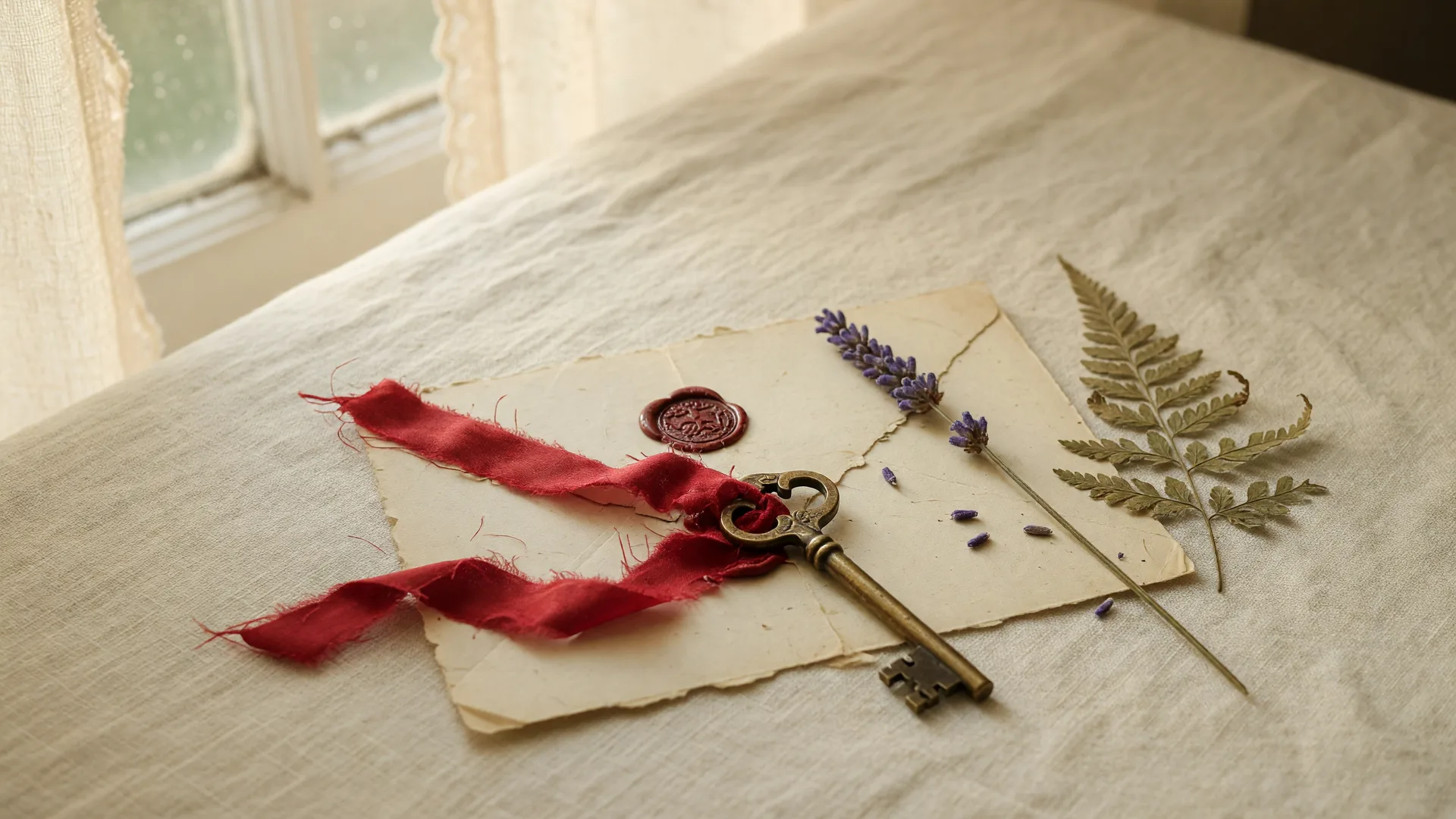
No. 01 · The consulate key
In 1898, at the height of the Spanish-American War, Spain's consular affairs in Pensacola were conducted from a private residence on La Rua Street. The house was eleven years old, and it would never again be merely a house.
A lumber boom built the block
Pensacola in the 1880s was one of the great lumber ports of the American South, its harbor crowded with schooners loading yellow pine. The money flowed up the hill from the waterfront into a new suburb east of Palafox, where streetcars and speculators were laying out a grid of avenues named for the city's trees and founders.
In 1890 Louis D. Marzoni, chief lumber inspector for the timber baron Henry Baars, built his family home at the corner of La Rua and what is now 8th Avenue. The house was a three-story Queen Anne Victorian with an octagonal cedar-clad tower, a wraparound porch, and interiors finished with woodwork from the Baars mills. By 1900 the plan had doubled, and the Marzoni house anchored the block at the top of its hill.
The consulate years
When war broke out between the United States and Spain in 1898, Pensacola was a navy town with a large Cuban cigar industry and a Spanish-speaking merchant class. The city needed a Spanish consulate, and the Marzoni house, grand, central, and owned by a prominent family, was pressed into service. The residence became the Spanish Consulate in Pensacola, and a neighbor's house acted as the Austrian-Hungarian consulate just down the street.
Marzoni lived in the house until his death in 1907, surrounded by his family. The consulate was a chapter of a few war years, but the name stuck. A century later the property still carries it: The Old Spanish Consulate.
The quiet century, and the restoration
Like many grand houses, the Marzoni house spent decades aging unevenly. Room counts shifted, systems dated, and the ornament accumulated the weight of weather. By the early 2000s the great porch and tower still stood, but the house needed a savior.
In 2014 the estate was meticulously restored. The restoration returned the stairways, the stained glass, the carved trim, and the room-by-room detail to their original voice, while modernizing the systems a 21st century guest expects. Two years later, on May 10, 2016, the house was formally listed on the National Register of Historic Places as the Marzoni House, an exceptional example of Queen Anne architecture.
Today it carries two names with equal confidence: the Marzoni House on the register, and the Old Spanish Consulate to every guest, investor, and tour that walks through the front door.
"National Register houses rarely come to market. National Register houses that earn their keep, rarer still."
Sources: Pensacola News Journal and National Register documentation for the Marzoni House , and local historical records assembled for this essay.